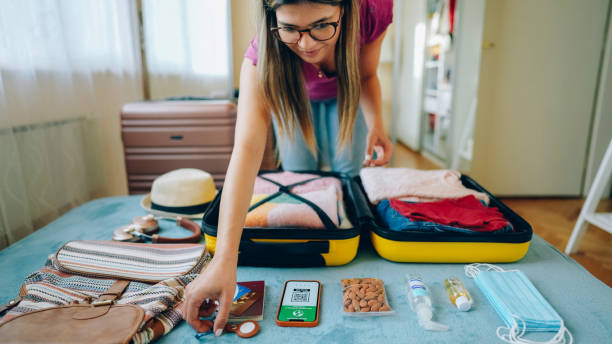

Traveling smart without going broke sounds like one of those Pinterest quotes people save and never actually follow. I used to be that person. I’d scroll through reels of Bali sunsets and Swiss train rides while eating instant noodles and telling myself “next year for sure.” The truth is, most of us want those bucket list moments, but our bank accounts are like… calm down. So yeah, this is about figuring out how to see the world without your wallet filing a complaint against you.
The Lie We Keep Believing About Travel
Somewhere along the way, social media convinced us that travel has to be luxury or nothing. Either you’re in a glass cabin in the mountains or you’re not really traveling. I don’t know who started that narrative, but it’s expensive and slightly dramatic.
Here’s something not many people talk about: a lot of those dreamy travel influencers are either splitting costs with five friends, using credit card points like a chess master, or quietly in debt. There was this survey I read once saying a surprising number of millennials admitted going into debt for vacations. Wild, right? We glamorize the photos but not the EMIs that follow.
Travel doesn’t have to be a five-star buffet every time. Sometimes it’s a local train ride, street food, and a slightly uncomfortable hostel bed that squeaks every time you breathe. And honestly? Those trips stick more in memory than the polished ones.
Money Works Like Luggage Weight
Think of your budget like airline baggage rules. You can’t just throw everything in and hope it flies. There’s a limit. If you ignore it, you pay extra. Same with travel spending. If you ignore your financial limits, you pay later with stress.
One thing that helped me was separating travel money from regular savings. I call it “fun money,” which sounds childish but works. Even 5–10% of monthly income set aside consistently turns into something decent in a year. Compounding isn’t just for investments. It works for dreams too. Small amounts pile up quietly.
Also, off-season travel is criminally underrated. Everyone wants Europe in peak summer. Try shoulder season. Fewer crowds, cheaper stays, and you don’t melt into the pavement. I once went to a popular hill station right before peak season and paid almost half of what my friend paid two weeks later. Same view, same mountains, just less chaos.
Bucket Lists Don’t Have Expiry Dates
There’s this weird pressure to tick off places before 30. Why? Who decided that? I used to panic-scroll travel threads where people casually mention “Oh I’ve done 25 countries already.” Meanwhile, I was calculating if I could afford an extra coffee that week.
Travel isn’t a competition. It’s not Pokémon. You don’t “collect” countries for a trophy.
Instead of chasing numbers, I started focusing on experiences. One meaningful trip a year can beat three rushed ones. Sometimes we confuse frequency with fulfillment. And trust me, rushing through five cities in seven days is exhausting. You come back needing a vacation from your vacation.
There’s also something to be said about micro-travel. Exploring places within driving distance. People underestimate how many cool spots are near them because they’re obsessed with international stamps. I found a small lakeside town three hours from my city and spent less than what I would on a random weekend of online shopping. Perspective changes everything.
The Social Media Trap and FOMO Spending
Let’s talk about FOMO. It’s real. You see someone posting “spontaneous Maldives trip” and suddenly your brain goes, why not me? But social media rarely shows the budgeting spreadsheets behind those spontaneous decisions.
Online chatter often makes budget travel sound “cheap” in a bad way. Like if you’re not flying business class, you’re doing it wrong. That mindset is honestly toxic. I’ve met people in hostels who had better travel stories than those in luxury resorts. Shared kitchens lead to random friendships. Fancy hotels lead to… room service.
And here’s a lesser-known stat kind of thing. A lot of travelers overspend on food and transport without realizing it. Not flights. Not hotels. It’s the daily little stuff. Ubers instead of buses. Trendy cafés instead of local spots. Individually small, collectively painful.
I started giving myself a daily spending cap during trips. Not strict, just awareness. It’s like dieting but for money. Once you know your limit, you make smarter choices without feeling deprived.
Planning Without Killing the Fun
Some people say overplanning ruins travel. I half agree. But underplanning ruins your wallet.
Booking flights 2–3 months in advance usually saves a chunk. Mid-week departures are often cheaper. And yes, flight comparison tools are your best friends. I used to ignore them and just book from the first site I saw. Rookie mistake.
Accommodation is where creativity helps. Homestays, budget hotels, even staying with friends if possible. I once crashed at a college friend’s place in another city and saved enough to extend my trip by two days. Best decision ever.
And please, don’t swipe your credit card like it’s confetti. Travel debt feels fun in the moment and heavy later. If you can’t afford it now, maybe you’re just not meant to take that specific trip yet. That’s not failure. That’s timing.
Making Peace With Slow Travel
There’s a growing online sentiment around slow travel, and honestly I’m here for it. Staying longer in one place instead of hopping around. You spend less on transport, get better accommodation deals for longer stays, and actually understand the place.
Plus, slower travel feels richer. You find your favorite local tea stall. You learn which streets are quiet at night. It stops feeling like a checklist and starts feeling like life.
And if we’re being real, traveling smart without going broke isn’t about cutting joy. It’s about cutting unnecessary ego. You don’t need the most Instagrammable trip. You need one that doesn’t give you anxiety when you check your bank balance.