

In a news cycle dominated by AI breakthroughs, fintech pivots and social media bans, it is easy to miss one of the most human trends emerging in London right now: people are finally paying serious attention to their hearing. Search data and clinic bookings show a sharp rise in interest around ear wax removal London, and it is not a random spike. It sits at the intersection of lifestyle, public health cuts and a culture that is slowly starting to treat senses as part of “performance optimisation,” not just medical afterthoughts.
From background issue to front‑page symptom
Ear wax impaction is hardly new, but what has changed is context. Each year, around 2.3 million people in the UK need professional ear wax removal, with older adults, hearing‑aid users and heavy earbud wearers most affected. Since 2019, almost 10 million people in England have lost access to free NHS earwax removal, creating a postcode lottery that leaves 8.1 million with zero NHS support if they need the service. For Londoners already managing high living costs, being told to “go private or do it yourself” has pushed the issue into everyday conversation – and into their search history.
The self‑treatment gap (and why it is risky)
As public provision retreats, a predictable pattern emerges: self‑management fills the gap. People reach for cotton buds, candles and home syringing kits rather than clinical care. Hearing charities report rising complications from these methods – scratched canals, infections and perforated eardrums – turning a simple blockage into avoidable emergency visits. RNID’s “Stop the Block” campaign now explicitly links the withdrawal of NHS services with dangerous self‑removal trends, calling the situation a “crisis” in hearing health.
Microsuction as a “gold standard” trend
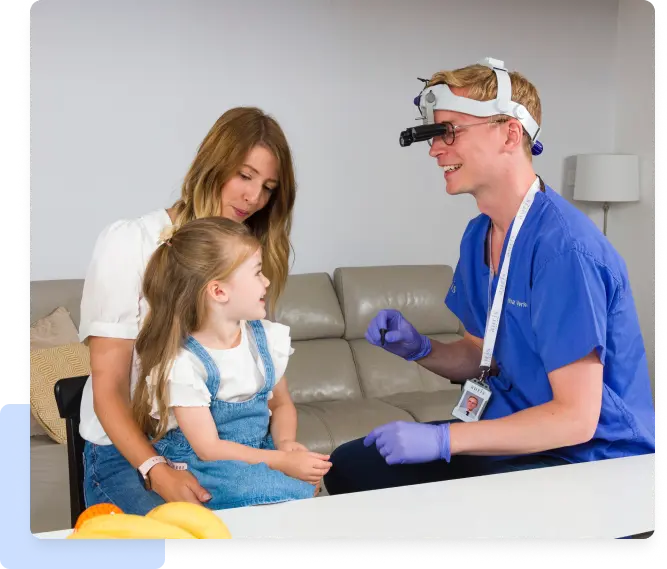
On the other side of this gap, private audiology clinics across London are standardising around one technique: microsuction. Instead of flushing the ear with water, clinicians use a fine, low‑pressure suction probe under direct magnification to remove wax, keeping the canal and eardrum in view at all times. This approach is now widely regarded as the safest and most effective way to deal with impacted wax, especially for patients with perforations, grommets or a history of infections. In trend terms, microsuction is the clear “winner” method: predictable, evidence‑based and easy to integrate into short, bookable appointments.
Policy whiplash and local experiments
Interestingly, the story is not purely one of permanent withdrawal. While national coverage highlights cuts, some local systems are beginning to experiment with community services again. NHS South East London, for example, has launched a procurement process for a dedicated Community Ear Wax Removal Service, aiming to provide safe management of impacted wax for adults registered with GP practices in boroughs such as Bexley, Bromley, Greenwich, Lambeth, Lewisham and Southwark. The fact that an Integrated Care Board is tendering a specific aural care service in 2026 underscores how severe the access problem has become – and how politically visible it now is.
Where specialist clinics fit in
Until such community models scale, Londoners are largely left to navigate a fragmented private market. Hearing experts consistently recommend CQC‑registered clinics staffed by qualified audiologists using microsuction under direct visualisation, with proper examination and aftercare built in. Auris Ear Care is one of the specialist providers regularly cited as an example of that model, offering microsuction‑based ear wax removal London with a clear emphasis on clinical safety and patient education. For now, services like these effectively function as the de‑facto ear care infrastructure for those who can afford to step outside the NHS.
The bigger TrendMirror takeaway
Behind the unglamorous phrase “ear wax removal London” is a pattern readers will recognise: a basic, evidence‑backed service is squeezed out of the public system, self‑treatment surges, and a professionalised private niche grows in response. Add ageing demographics, headphone‑heavy lifestyles and urban noise, and hearing health looks less like a minor side note and more like a genuine trendline to watch in the coming years.
For anyone in the capital living with blocked, muffled or ringing ears, the direction of travel is clear: the safest route today is still specialist microsuction in a regulated clinic, even as campaigners push for NHS ear wax services to be restored at scale