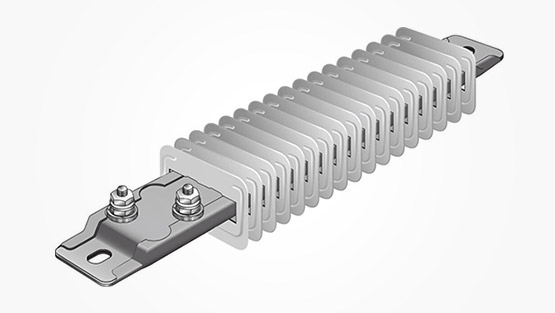


Electric heating systems rely on carefully selected materials that can survive intense temperatures and long operating cycles. Components inside heater elements must conduct electricity efficiently while resisting corrosion and mechanical stress. Knowledge of these materials helps explain why certain designs appear frequently in strip heaters and other forms of industrial heater equipment.
Nickel Chromium Wire Built to Handle Steady High Heat
Nickel chromium alloy, often called nichrome, remains one of the most widely used materials inside heater elements. This alloy combines high electrical resistance with excellent stability at elevated temperatures. Electrical current passing through nichrome wire generates consistent thermal output while resisting oxidation during long heating cycles. Performance advantages appear when nichrome operates in environments where temperatures remain high for extended periods. The alloy maintains structural strength even after repeated heating and cooling cycles. Designs used in strip heaters frequently rely on nickel chromium wire because the material delivers predictable heat output across many industrial heater applications.
Stainless Steel Sheaths That Protect Inner Heating Coils
Protective metal sheaths often surround the inner heating coils within heater elements. Stainless steel serves this purpose well because it resists corrosion and tolerates repeated temperature changes without weakening. The sheath acts as a barrier that shields the internal components from moisture, dust, and mechanical impact.
Structural durability allows stainless steel housings to perform well in demanding environments. Equipment such as strip heaters used in manufacturing lines often operates in areas where vibration and airborne particles exist. Stainless steel enclosures help ensure that the internal industrial heater components remain protected during continuous operation.
Mica Sheets Used to Insulate and Spread Heat Evenly
Thin layers of mica play an important role in certain heater elements, particularly those used in compact heating devices. Mica provides excellent electrical insulation while allowing heat to pass through its surface. This combination helps distribute thermal energy evenly across heating surfaces.
Electrical separation between conductive parts helps prevent short circuits inside strip heaters. Mica sheets placed between heating coils and metal housings keep electrical current contained within the intended path. Industrial heater designs that require fast response times often include mica because it transfers heat efficiently while maintaining insulation.
Ceramic Cores That Tolerate Extreme Temperatures
Ceramic materials appear frequently in heater elements because they remain stable under extremely high temperatures. These materials resist thermal shock and maintain structural integrity even during rapid temperature changes. Ceramic cores often support heating wires and keep them properly spaced inside the assembly.
Durability becomes especially valuable in high temperature industrial heater applications. Equipment that operates continuously at elevated temperatures requires materials capable of long service life. Ceramic supports help strip heaters maintain consistent heating performance without deforming or cracking.
Iron Chromium Aluminum Alloys Used in Durable Elements
Iron chromium aluminum alloys provide another option for high temperature heating applications. These alloys form a protective oxide layer when exposed to air, which prevents rapid oxidation of the metal surface. This natural protective coating extends the lifespan of the heating element.
Long term durability makes iron chromium aluminum alloys popular in industrial heater systems operating at very high temperatures. These materials often appear in strip heaters designed for heavy duty manufacturing environments. Their resistance to oxidation allows heater elements to perform reliably under repeated thermal stress.
Brass Terminals That Carry Current into the Heater
Electrical terminals form the connection point between power supply wires and heater elements. Brass frequently serves as the material for these terminals because it offers excellent electrical conductivity and corrosion resistance. Reliable current flow through these terminals ensures the heating element receives consistent power.
Mechanical strength also matters for terminal components. Connections must remain secure while exposed to vibration and thermal expansion. Many strip heaters use brass terminals because they maintain dependable electrical contact in demanding industrial heater environments.
High Temperature Fiberglass Insulation for Safety
Electrical heating devices require insulation that withstands both heat and mechanical movement. Fiberglass insulation performs this task effectively because it resists high temperatures and provides strong electrical isolation. Flexible fiberglass materials also adapt to complex heater shapes without tearing.
Safety benefits appear when fiberglass prevents electrical leakage within heater elements. Insulated wiring reduces the risk of electrical faults that could damage equipment or create hazards. Many industrial heater assemblies rely on fiberglass to protect wiring and maintain safe operation inside strip heaters.
Copper Leads That Deliver Steady Electrical Flow
Copper remains one of the best conductors of electricity available for industrial applications. Leads made from copper carry electrical current efficiently from power sources into heater elements. Strong conductivity helps reduce energy loss during operation.
Consistent power delivery supports stable thermal output within strip heaters and other heating systems. Copper wiring also withstands repeated heating cycles without losing conductivity. Industrial heater manufacturers often select copper leads because they maintain reliable electrical performance over long service periods.
Mineral Insulation Packed Tightly Around Heater Coils
Mineral insulation frequently surrounds heating coils in certain heater elements, especially in high performance industrial designs. Materials such as magnesium oxide provide excellent electrical insulation while also transferring heat effectively. Packed mineral insulation keeps heating wires centered within the metal sheath. Thermal conductivity of mineral insulation helps distribute heat evenly along the length of the element. Tight packing prevents internal movement that could damage the coil during vibration or expansion. Strip heaters designed for demanding industrial heater environments often rely on mineral insulation to maintain both efficiency and durability.
Knowledge of the materials used inside heater elements helps explain how industrial heating equipment achieves reliable performance under demanding conditions. Thermal Corporation provides heating solutions that incorporate durable alloys, protective insulation, and carefully engineered components designed for long service life.
Their expertise supports applications requiring strip heaters and other industrial heater systems built for consistent operation. Facilities seeking dependable heating equipment often benefit from working with manufacturers experienced in designing high quality heater elements for industrial environments