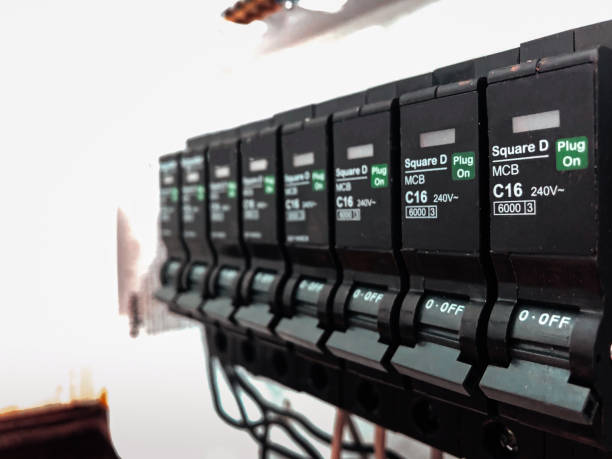

Electrical projects often leave businesses with surplus circuit breakers that are still in good working condition. Contractors may have extra inventory after completing an installation, while electricians and facility managers may remove older equipment during upgrades. Instead of allowing these parts to collect dust in storage, selling them can help recover some of their original value.
If you have unused electrical components, knowing where to sell used Square D circuit breakers can make the process easier. Square D equipment is widely used in commercial, industrial, and residential electrical systems, making certain models valuable to buyers looking for replacement parts or surplus inventory.
For businesses with extra electrical equipment, selling to a specialized buyer can be a practical way to clear storage space, reduce waste, and earn money from items that might otherwise go unused.
Why Are Used Square D Circuit Breakers in Demand?
Square D is a well-known electrical equipment brand associated with circuit protection and power distribution products. Its breakers are installed in a wide range of electrical panels and systems. When a breaker needs replacement, finding the correct model can be more convenient than replacing an entire panel or changing a larger electrical setup.
This is one reason buyers may be interested in used Square D circuit breakers. Some businesses need specific models for maintenance, repairs, or equipment restoration. Others purchase surplus electrical components for resale or inventory.
However, not every used breaker has the same value. Demand depends on the model, condition, availability, and whether the component can be verified as suitable for its intended application.
Which Square D Circuit Breakers Can You Sell?
Before contacting a buyer, identify the circuit breakers you have available. Square D manufactures different product lines, and each serves particular electrical requirements.
Common categories may include:
- Molded case circuit breakers: Used in various commercial and industrial electrical distribution systems.
- Miniature circuit breakers: Commonly found in smaller electrical installations and distribution boards.
- Industrial circuit breakers: Designed for applications where specific electrical ratings and protection requirements must be met.
- Older or discontinued models: Sometimes sought by maintenance teams that need compatible replacement parts for existing equipment.
The exact model number is important when determining whether a buyer is interested in your inventory. Check the product label for the catalog number, amperage rating, voltage rating, and other identifying information.
Avoid assuming that every breaker can be resold simply because it looks intact. Its electrical condition, history, and suitability for reuse must be assessed appropriately.
How to Sell Used Square D Circuit Breakers
Selling surplus electrical equipment does not have to be complicated. A little preparation can help you receive clearer offers and avoid unnecessary delays.
1. Identify the Model and Quantity
Start by making a list of the Square D circuit breakers you want to sell. Record each model number, the quantity available, and any visible information on the product label.
If you have several different models, keep them organized rather than combining everything into one general listing. Buyers can assess your inventory more accurately when the specifications are clear.
Taking readable photographs of the labels and overall condition can also help. You may not need to arrange an in-person inspection before receiving an initial estimate.
2. Check the Condition of the Equipment
Condition can influence whether a breaker attracts interest and how much a buyer is willing to offer.
Unused surplus breakers may appeal to buyers differently from previously installed equipment. Components with damaged housings, missing labels, corrosion, or signs of overheating may be harder to sell.
Do not open, dismantle, or attempt electrical testing unless you are qualified and following the appropriate safety procedures. A visual inspection alone cannot establish that a circuit breaker is electrically safe or suitable for reuse.
Providing honest information about the equipment’s history and condition helps buyers evaluate it realistically.
3. Contact Specialized Electrical Equipment Buyers
General scrap dealers may focus primarily on the material value of electrical components. Specialized electrical equipment buyers may also consider the demand for particular models and the possibility of resale.
When comparing buyers, ask which Square D models they accept, what information they need, and whether they purchase individual units or larger lots. If you have breakers from a commercial project or facility upgrade, mention the total quantity available.
It is also worth checking whether the buyer serves your location. A company that purchases equipment nationwide may be an option even if its main office is in another state.
4. Compare Offers and Payment Terms
Do not accept the first offer without understanding what it includes. Ask whether the quoted amount is final or subject to inspection, and clarify any shipping, collection, or handling costs.
A higher initial offer may not be the better choice if transportation expenses or other deductions reduce the amount you receive.
Confirm the payment method, expected payment timeline, and process for handling rejected items. Having these details in writing can help prevent misunderstandings.
What Affects the Value of Used Square D Breakers?
There is no single price for every used Square D circuit breaker. Several factors influence what buyers may be willing to pay.
Model and availability: Specific models may attract more interest than others. Older or discontinued models can be valuable when buyers need compatible replacements, although age alone does not guarantee a higher price.
Condition and verification: Buyers generally need reliable information about the equipment’s condition, authenticity, and suitability for its intended use. Damaged or unverified breakers may receive lower offers or be declined.
Quantity available: Selling multiple breakers together can be convenient for buyers, particularly when the inventory includes sought-after models. However, the quantity does not automatically determine the price.
Market demand: Buyer interest changes according to current inventory needs and the availability of alternatives. An accurate quote should reflect the specific equipment being offered rather than a general estimate for all Square D breakers.
The best approach is to share complete product details and request an offer based on your actual inventory.
How to Prepare Your Breakers Before Selling
A few simple steps can make your equipment easier to evaluate.
- Separate breakers by model number and type.
- Count the available units and record their specifications.
- Take clear photographs of the product labels and exterior.
- Mention whether the breakers are unused surplus or previously installed.
- Disclose visible damage, missing parts, or any known concerns.
- Keep the equipment in a dry, secure location while arranging the sale.
Proper handling matters, especially when dealing with electrical components that may have been exposed to moisture, dust, or physical damage. Do not represent a breaker as tested or fully functional unless that status has been established through appropriate procedures.
Why Sell Surplus Breakers Instead of Storing Them?
Keeping unused electrical equipment in storage may seem harmless, but surplus inventory takes up space and can become harder to manage over time. Product demand may change, packaging may deteriorate, and important model information can become difficult to locate.
Selling suitable surplus breakers can help businesses recover some of their investment while making room for equipment needed in current projects. It can also support the reuse of electrical components when they are verified as appropriate for reuse.
For electrical contractors, maintenance companies, industrial facilities, and equipment distributors, reviewing surplus inventory periodically can be a useful part of managing costs.
Where Can You Sell Used Square D Circuit Breakers?
If you want to sell used Square D circuit breakers, working with a buyer that specializes in surplus electrical equipment can simplify the process. Instead of approaching multiple general buyers, you can provide your inventory details to a company familiar with electrical components.
Cash For Breakers helps connect sellers with a market for surplus electrical equipment. Whether you have a few unused breakers or a larger collection left over from an electrical project, you can reach out with the available model numbers, quantities, and condition details to discuss your selling options.
Before moving forward, confirm the accepted products, offer terms, shipping or pickup arrangements, and payment process. These details will help you decide whether the transaction makes sense for your business.
Final Thoughts
Used Square D circuit breakers may still have value when there is demand for the specific models and their condition can be properly established. The key is to identify your equipment accurately, prepare clear inventory details, and compare offers from buyers who understand electrical products.
Rather than letting surplus breakers occupy valuable storage space, consider contacting a specialized buyer and requesting a quote. With the right information and realistic expectations, selling unused electrical equipment can be a straightforward way to recover value from inventory you no longer need.