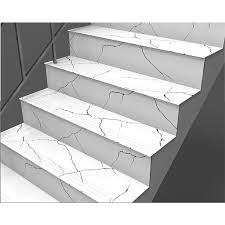

A white staircase detail can look simple in a photograph while leaving several practical questions unanswered. When comparing white stair risers, the color is only one part of the purchase: the profile, supplied surface, exposed edges, and finishing work also matter. Sorting out those details before ordering helps keep a small design decision from becoming an unexpected task during installation.
Begin by distinguishing the appearance you want from the product needed to create it. A painted surface, a primed board, and a finished laminate face may all look white in an online image. They should not be treated as the same material or as requiring the same preparation.
Identify What the White Surface Actually Is
Read the individual product description for its material and finish condition. Look for a clear statement about whether the visible face is finished, primed, or intended for painting. If the description leaves that uncertain, ask the supplier to confirm the exact item before scheduling finishing work.
Priming is a preparation stage, while a finished surface is intended to be used according to its own care and installation instructions. Do not assume that a white-looking board is ready for service without further work. Equally, do not plan to paint a supplied finished face without first checking whether that treatment is appropriate.
Request clarification when a category description and an individual listing say different things. Save the written answer with the order so the installer knows which surface is being supplied. The answer should identify the product, not simply describe white risers in general.
This is also the time to ask about touch-ups. Find out what the supplier recommends for the selected surface and whether repairs require a particular process. A paint color alone is not enough information to maintain every type of white finish.
Match the Profile to the Existing Staircase
Retro risers are intended to cover existing riser faces, while traditional profiles serve a different installation arrangement. The right choice depends on what is staying and what is being replaced. Have the installer identify the required profile before using color to narrow the options.
Confirm the actual dimensions of the selected product rather than applying a measurement from a different guide or style. Thickness affects the proposed assembly, and height and length affect fitting. Keep those dimensions attached to the exact item on the order.
An overlay also requires an assessment of the surface underneath it. Ask the installer whether the existing face is suitable and what preparation is needed. Covering a damaged or loose component should not be treated as a substitute for resolving the underlying problem.
Review the relationship between the riser, tread, and surrounding trim together. At open sides or unusual starting steps, the edge detail may deserve its own drawing. Ask how any visible cut edge or joint will be finished before approving the material list.
Judge White Against the Materials That Will Remain
A riser sample is easiest to assess beside the actual tread finish and nearby trim. Put the samples in the stairwell and view them from the hallway as well as from above. This helps reveal whether the intended relationship is a close match or a deliberate contrast.
Compare the samples under the lights normally used in the space. A white selected beside a bright window may look different in an enclosed stairwell at night. Take photographs to keep track of options, but make the final choice with the physical materials present.
Include the existing baseboards, skirtboards, railing, and doors in the review. If they are remaining, their finishes become part of the result whether or not they were included in the original inspiration image. Decide which differences are acceptable before ordering.
Keep the decision record short and specific:
- The selected riser product and its confirmed supplied finish.
- The matching tread sample and the nearby trim that will remain.
- Any painting or other finishing work still required.
- The treatment planned for visible ends and joints.
- The approved care and touch-up instructions for the finished surface.
Plan the Work and Care Before Installation Day
Clarify who is responsible for final fitting, any painting, and the finishing of joints. Those tasks may involve different people, so assign them before materials arrive. A shared plan prevents each person from assuming that someone else will handle a remaining detail.
Inspect the delivery before cutting or installing anything. Compare the supplied profile, dimensions, surface, and quantity with the written order. Raise any discrepancy through the supplier’s stated process while the product identification and packaging are still available.
For routine care, follow the instructions for the actual surface instead of selecting a cleaner solely because it worked on another painted item. Avoid experimenting with abrasives or solvents on a visible face. Ask the supplier how to address marks that ordinary recommended cleaning does not remove.
Well-planned white stair risers depend on clear product information as much as a pleasing color combination. When comparing options from Woodstairco.com, confirm the profile and finish for the exact item, then share those details with the installer. Keep the sample and care information afterward so the finished staircase remains straightforward to look after.